
Home Safety

Your safety is our top Priority

Every home we manage meets the legal standards set by the Scottish Government to ensure it’s safe, secure, and well maintained. This page explains the key safety checks carried out before and during your tenancy, what’s required by law, and how you can help keep your home safe.

Scotland has strict safety standards for rented homes. Every property must meet the Repairing Standard and the Tolerable Standard, which cover structure, heating, ventilation, electrics, gas, water, and fire detection. This means your home must be wind and watertight, with working alarms and up-to-date safety certificates at all times.

Home Safety Standards

The essential safety standards every rental property in Scotland must meet

Fire & Smoke Alarms

Fire safety is a legal requirement in every rented home.

All properties must have interlinked alarms so that if one goes off, they all sound together. This includes:

  • One smoke alarm in the living room or main room
  • One smoke alarm in each hallway or landing
  • One heat alarm in the kitchen

Check alarm placement, expiry dates, and interlinking before you move in and during routine inspections.

Carbon monoxide is a silent but serious risk.

Homes with fuel-burning appliances or flues must have a carbon monoxide alarm in each relevant room.

Make sure your alarm is installed, tested, and compliant with current standards. Please report immediately if your alarm beeps, is damaged, or you notice unusual smells or headaches.

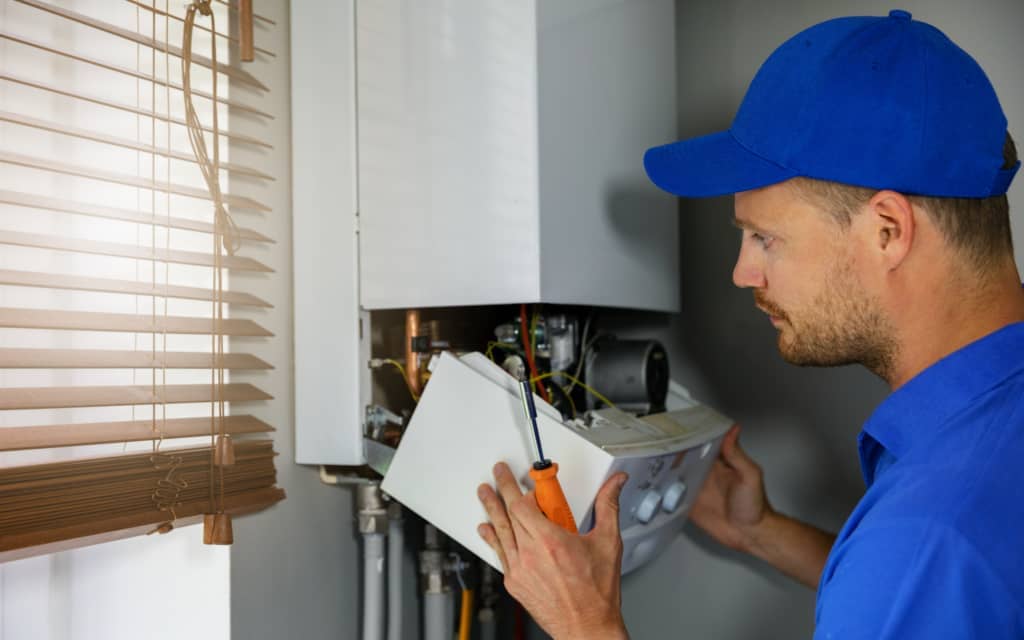
Gas safety checks protect everyone in the property.

If your home has gas, your landlord must arrange an annual gas safety inspection carried out by a Gas Safe registered engineer. You’ll receive a copy of the Gas Safety Record, confirming that all appliances and flues are safe to use.

These checks are required to be carried out every year and records must be kept up to date.

Electrical systems must be checked regularly by law.

Every private, BTR and MMR property must have:

  • An Electrical Installation Condition Report (EICR) every 5 years
  • A Portable Appliance Test (PAT) for any supplied electrical items
  • RCD (Residual Current Device) protection where required

Social rent homes are expected to follow the same standard as best practice.

Work should be carried out by qualified electricians and copies of reports shared with tenants on request.

Landlords must control the risk of Legionella bacteria.

Proportionate risk assessments should be carried out and simple controls put in place – such as flushing unused outlets and keeping hot water hot and cold water cold.

You can help by running taps or showers regularly if you’ve been away for more than a week.

A healthy home should be free from damp and mould.

All rented homes must be wind and watertight, with adequate ventilation to prevent condensation and moisture build-up.

If you notice any signs of damp or mould, report it straight away so an inspection can be arranged to identify the cause and carry out any necessary repairs.

Maintaining good airflow, using regular heating, and ventilating rooms after cooking or showering can also help reduce condensation and keep your home healthy.

Everything supplied in your home must be safe.

Furniture must meet fire safety standards, and electrical appliances must be tested and in good working order.

Do not remove fire safety labels from furniture, and report any damaged or faulty items.

Every rented home in Scotland must have an Energy Performance Certificate (EPC).

Your EPC shows how energy-efficient your property is and gives advice on how to reduce running costs.

Your Role as Tenant

Safety is a shared responsibility

Report Faults

Quickly report any safety hazards or maintenance needs to keep your home safe.
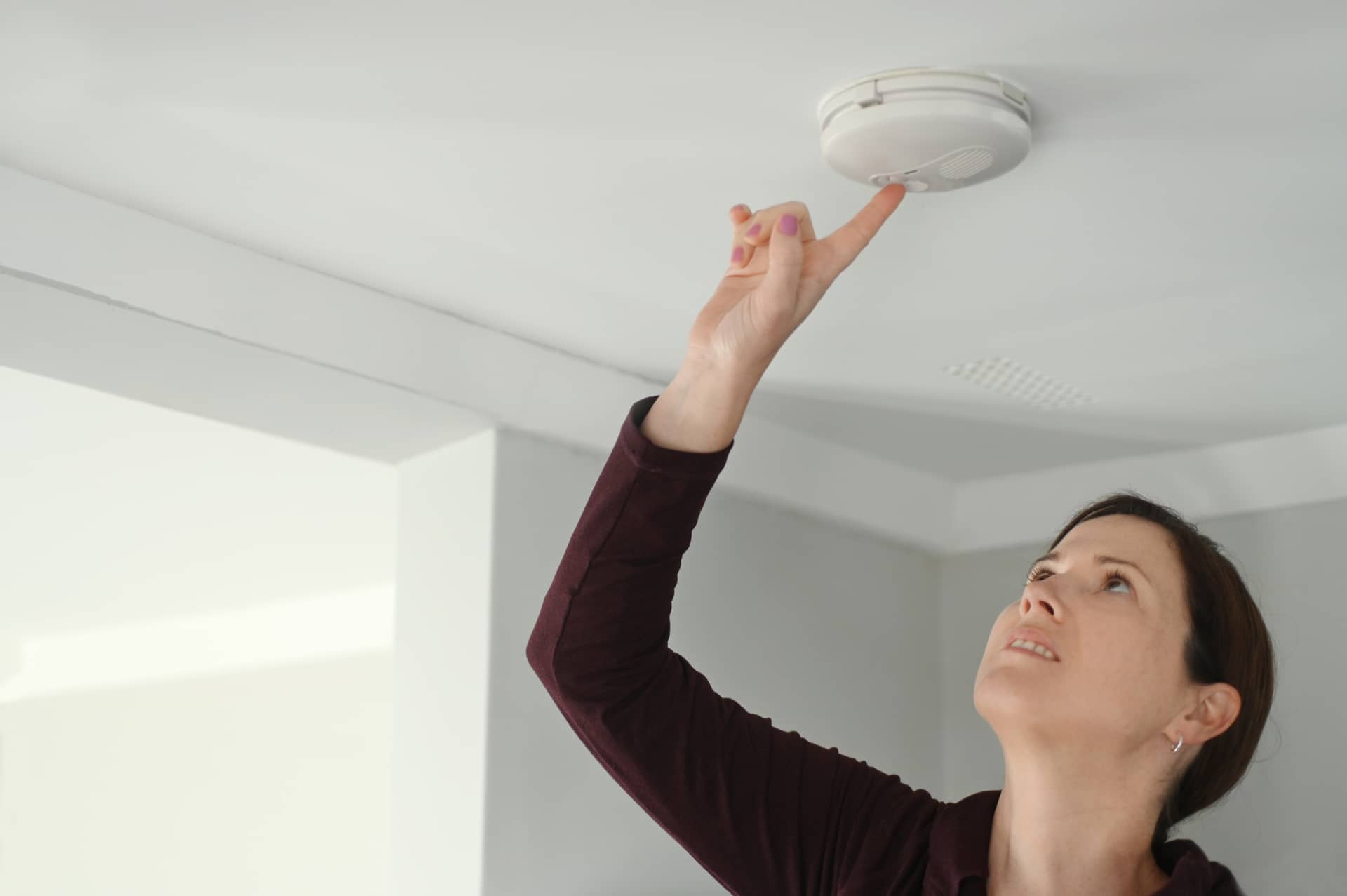
Test Alarms

Regularly test your smoke and carbon monoxide alarms to ensure they're working.
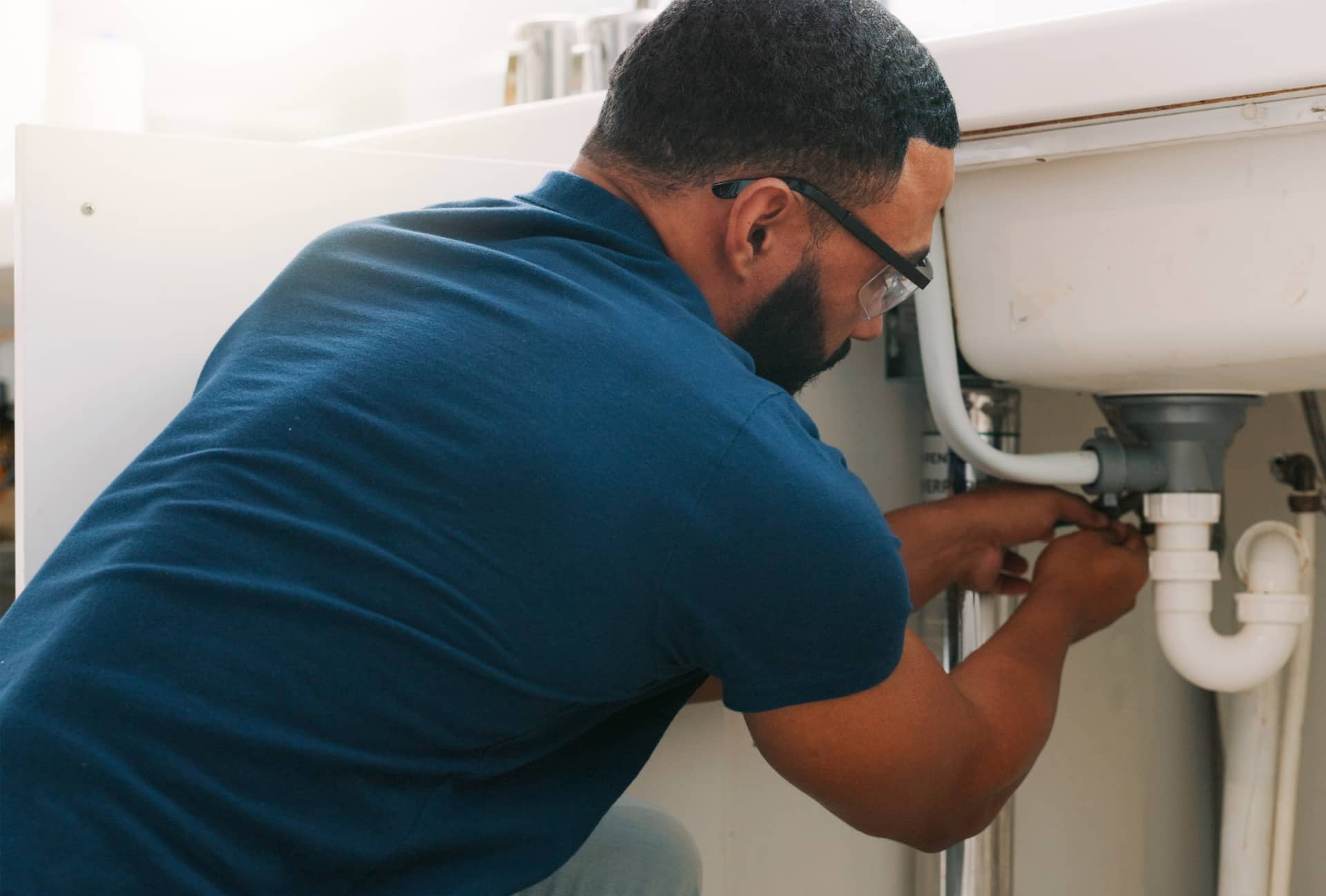
Maintenance Access

Allow access for timely maintenance to avoid potential issues or further damage.
Safe Appliance Use

Follow guidelines on using appliances safely to prevent accidents.